



Benefits, tips and safety
Why choose cycling in the city?
Are you also fed up with endless traffic jams, packed public transport or ever-rising fuel prices? What if the solution was closer than you think: your bike!
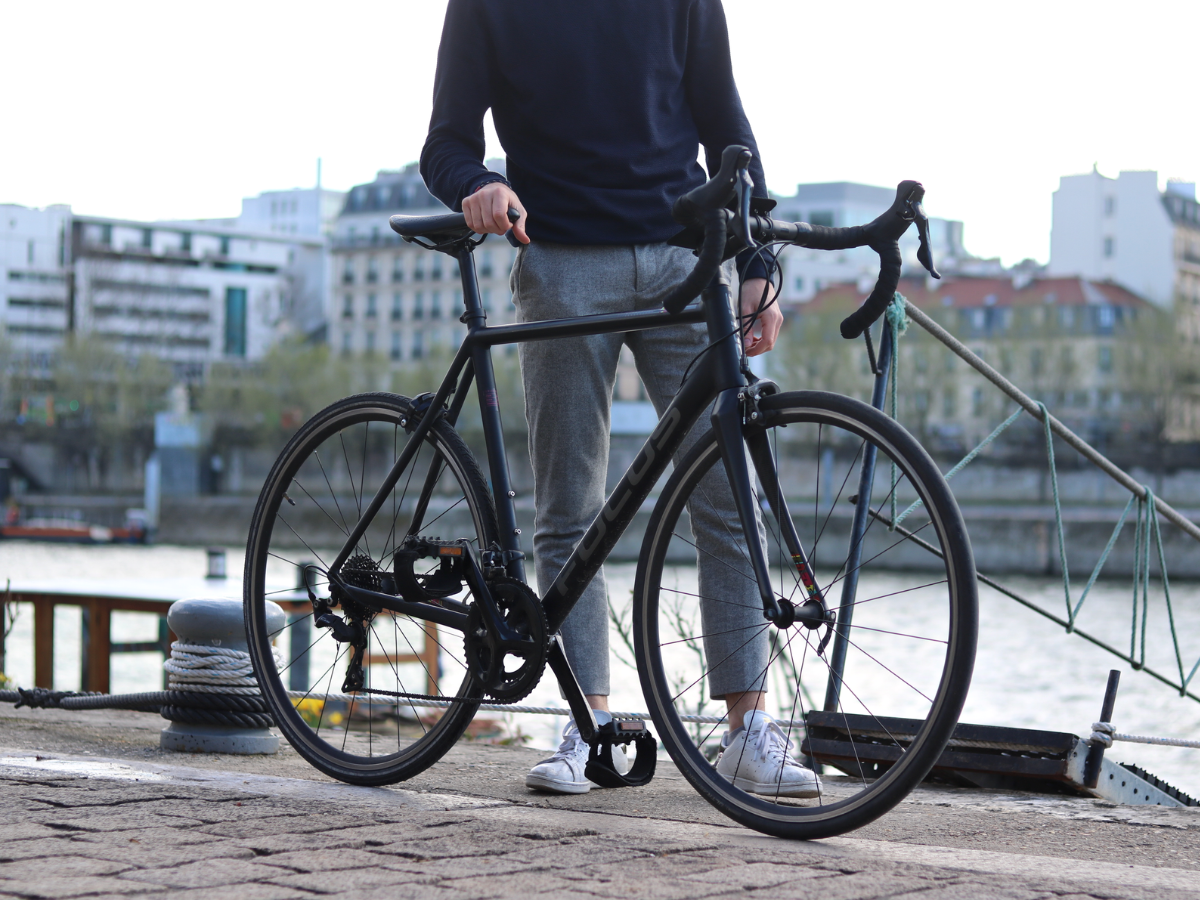
An eco-friendly and cost-effective alternative
Cycling is not only good for the environment, but also for your wallet. This is nothing new: between climate change, CO2 emissions and car pollution, we are constantly being encouraged to change our habits.
So why not finally get on your bike? We're not asking you to do everything by bike — we know that sometimes it's pouring with rain or you just can't be bothered — but if you cycle to work even 2 to 3 times a week, that's already a big step.
On top of that, it's cost-effective: no fuel to pay for, very little maintenance costs, and goodbye to parking headaches and fines. Urban cycling is the freedom to get around while taking care of the planet… And your wallet!
NB: 30 minutes of cycling saves you around 1 litre of fuel, which is roughly twenty euros a month if you cycle 3 times a week instead of driving.
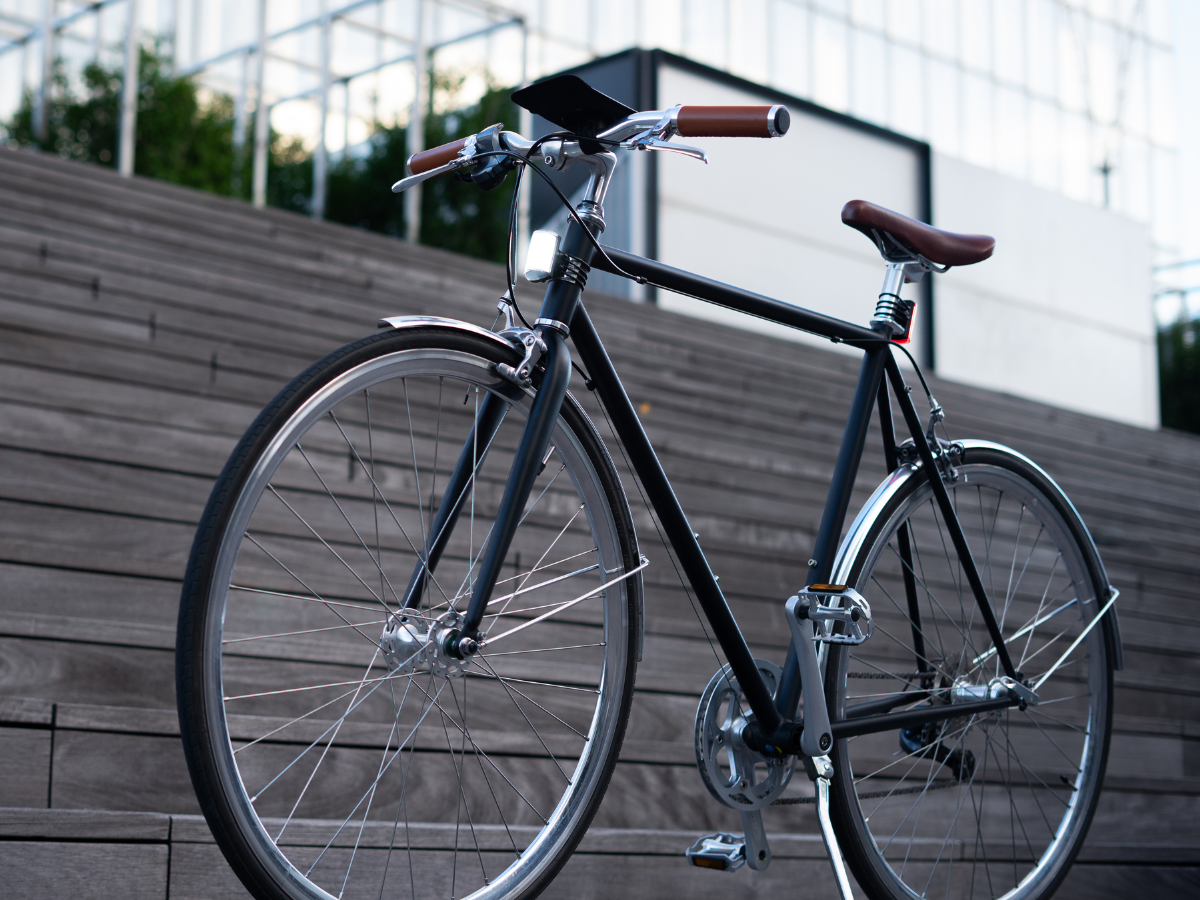
Saving time and gaining flexibility
Because taking up cycling means giving yourself unmatched freedom of movement!
No more hours wasted in traffic jams or waiting for your bus: cycling gives you precious independence (and inner peace). The Komoot app, for example, offers you personalised routes.
In the city, it is often the fastest mode of transport for short and medium distances. You can adapt your route to your own pace and avoid congested areas thanks to shortcuts inaccessible to cars.
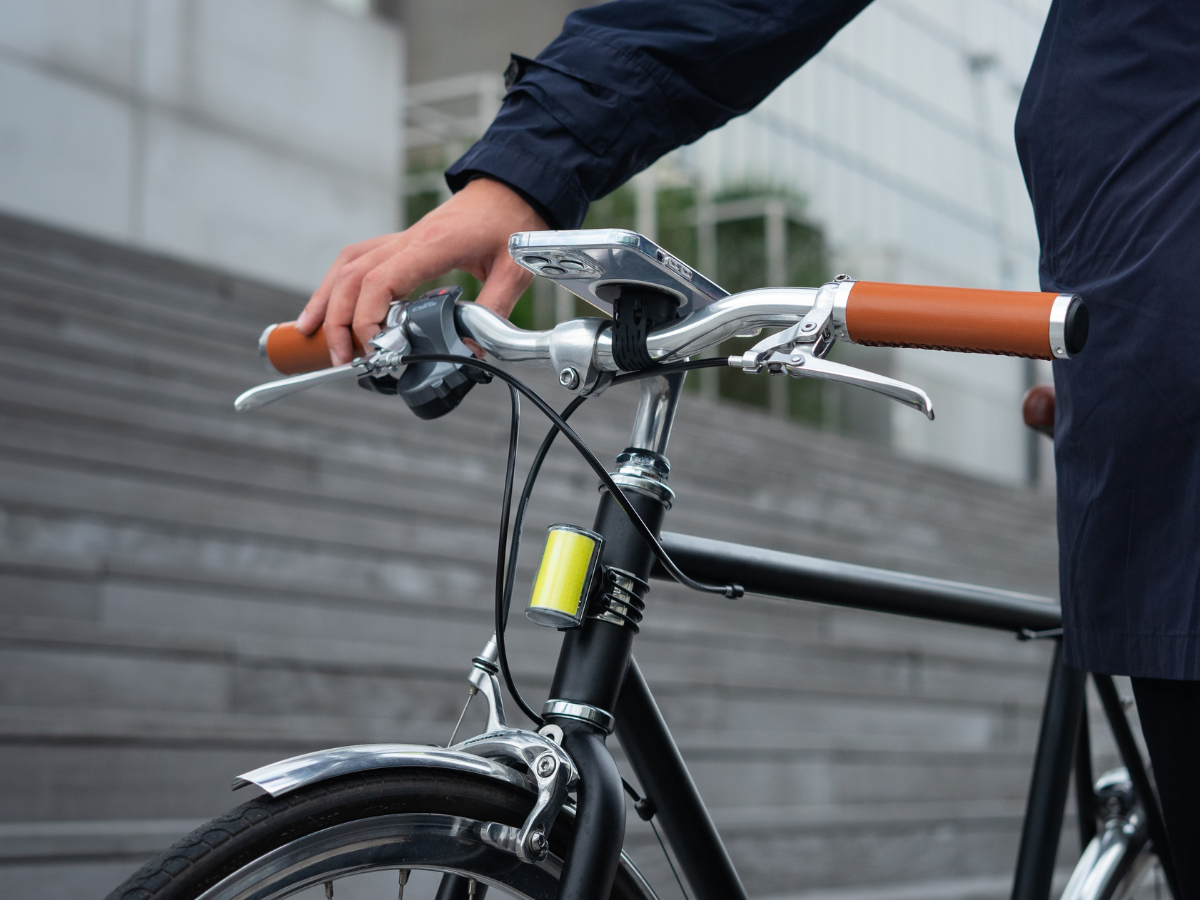
Keep your GPS in view
And for those who weren't born with a superhuman sense of direction, fear not — Shapeheart bike phone mounts let you keep your GPS in view throughout the entire ride, no more stopping needed! And our sleeve is waterproof, so no more excuses on rainy days.
Featured collection
-
Bike phone holder
Regular price €29,95 EURRegular priceUnit price per -
PRO bike phone mount
Regular price €39,95 EURRegular priceUnit price per -
Bike stem phone mount
Regular price €39,95 EURRegular priceUnit price per -
Magnetic panoramic rear light
Regular price €39,95 EURRegular priceUnit price per


Health benefits
Cycling is ideal for burning calories and maintaining good physical fitness, while avoiding the aches and pains associated with prolonged sitting. Cycling in the city allows you to integrate physical activity into your daily routine without even thinking about it — no more need to hit the gym!
Moreover, a study by the CNRS concluded in 2019 that 100 minutes of cycling per week (around 15 minutes per day) could reduce overall mortality by 10% in adults. Worth it, right?
Less stress
Cycling is also good for your mind! Unlike driving in traffic jams or taking packed public transport, cycling helps you better manage urban stress. Breathing fresh air, taking the time to enjoy the scenery, and changing your route from time to time helps you disconnect, even in the middle of the city's hustle and bustle (though if you're in Paris, we can't promise anything).
Practical tips for riding safely
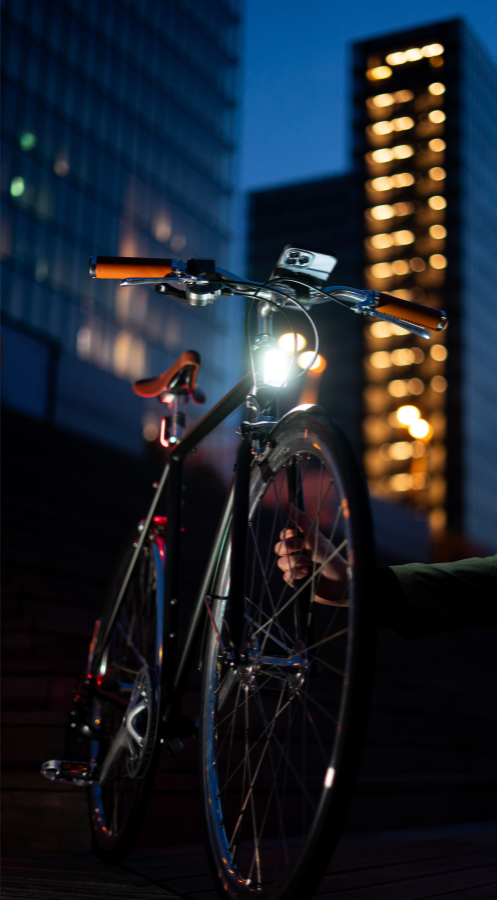
- Gear up: A helmet, a lock, and front and rear lights as well as reflective gear are essential, especially if you ride at night or early in the morning.
You're in luck — at Shapeheart, we developed the first magnetic lights for bikes. Magnetic and detachable to prevent any risk of theft, panoramic so you're visible even from the side, and stylish enough to turn heads: they've got it all!
- Respect the highway code: Even though cycling gives you more freedom, cyclists must follow the same rules as other road users. Be alert at red lights, watch out for pedestrians, and always signal your changes of direction.
- Adapt your riding style: In the city, traffic can be unpredictable. Always keep a safe distance from vehicles and watch out for suddenly opening car doors. Use cycle lanes whenever possible.
- Maintain your bike regularly: Just like a car, regular maintenance is essential for riding safely. Check the brakes, tyre pressure, and lubricate the chain regularly. A well-maintained bike is safer and more enjoyable to ride.
So, ready to hop on your bike and discover your city in a whole new way? Whether it's for commuting, running errands or simply experiencing the streets differently, cycling is undoubtedly one of the best decisions you could make for your urban daily life.
Want to discover our latest articles ...
View all-

iPhone 18 Pro: the best motorcycle mount
The iPhone 18 Pro (150.0 mm height) is compatible with the Shapeheart magnetic Sleeve in XL variant. Complete guide: dimensions, compatibility with or without case, and recommendation of the Moto...
iPhone 18 Pro: the best motorcycle mount
The iPhone 18 Pro (150.0 mm height) is compatible with the Shapeheart magnetic Sleeve in XL variant. Complete guide: dimensions, compatibility with or without case, and recommendation of the Moto...
-

iPhone 18: which motorcycle mount to choose?
Compatibility guide for motorcyclists who just purchased an iPhone 18 Pro or 18 Pro Max. Official dimensions, Shapeheart Sleeve size suited to each model, and recommendation of the Moto PRO...
iPhone 18: which motorcycle mount to choose?
Compatibility guide for motorcyclists who just purchased an iPhone 18 Pro or 18 Pro Max. Official dimensions, Shapeheart Sleeve size suited to each model, and recommendation of the Moto PRO...
-

Google Pixel 11: which motorcycle mount to choose?
The Google Pixel 11 is compatible with all Shapeheart magnetic Sleeves, with no additional accessories. However, its sophisticated OIS is sensitive to engine vibrations. This guide compares the Moto PRO...
Google Pixel 11: which motorcycle mount to choose?
The Google Pixel 11 is compatible with all Shapeheart magnetic Sleeves, with no additional accessories. However, its sophisticated OIS is sensitive to engine vibrations. This guide compares the Moto PRO...


